
The Caregiver’s Guide to a Safe, Comfortable Fourth of July
June 29, 2026
The Fourth of July can be a joyful celebration, but for many it also brings serious challenges. Heat, crowds, loud fireworks, and disrupted routines can create real risks for older adults, people living with dementia, and individuals with mobility or sensory limitations. This guide provides Fourth of July safety tips for seniors, caregivers, and dementia care, focusing on heat safety, fireworks safety, fall prevention, and emergency preparedness so families can celebrate more safely and confidently.
1. Summer Heat Safety Tips for Seniors and Older Adults
Independence Day falls during peak summer heat, making heat safety for seniors one of the most important considerations of the holiday.
The CDC notes that adults aged 65 and older are less likely to sense temperature changes, which increases the risk of heat-related illness before symptoms are recognized (CDC: Extreme Heat and Older Adults). Aging also reduces the body’s ability to sweat efficiently, and many medications, such as diuretics or blood pressure medications, can further impair temperature regulation (American Geriatrics Society heat tip sheet).
What caregivers should do:
- Check the CDC HeatRisk dashboard before planning outdoor activities
- Keep at least one air-conditioned room available throughout the day
- Avoid relying on fans alone during extreme heat
- Encourage regular hydration with meals and medications, not just when thirsty
- Schedule outdoor activities like barbecues or parades for early morning or evening
- Watch for early signs of heat exhaustion such as confusion, dizziness, or flushed skin
2. Fireworks Safety for Dementia Patients and Seniors
For individuals living with dementia, fireworks can be confusing, frightening, and overstimulating. Sudden loud noises and bright, flashing lights can trigger anxiety, agitation, or wandering behaviors.
According to caregiver safety experts, unpredictability is often the most distressing part of fireworks displays for individuals with cognitive decline (Family Caregivers Online: Fireworks and Dementia).
What helps:
- Stay indoors during peak fireworks hours
- Close curtains to reduce flashing light stimulation
- Use calming routines such as soft music or familiar activities
- Consider watching recorded fireworks instead of attending live events
Fireworks can exceed safe noise levels and may contribute to long-term hearing damage. The American Speech-Language-Hearing Association recommends maintaining distance from launch sites and using hearing protection when needed.
3. Fireworks Safety Rules to Prevent Injuries and Burns
Fireworks injuries remain a serious public health issue. The U.S. Consumer Product Safety Commission reports thousands of emergency room visits annually related to fireworks misuse, including injuries from sparklers alone (CPSC, 2026 release). Sparklers can reach temperatures of approximately 2,000°F, which is hot enough to cause severe burns and ignite clothing.
Fireworks safety guidelines:
- Only adults should handle fireworks
- Light one firework at a time and step away immediately
- Never attempt to relight a malfunctioning firework
- Keep water nearby for emergencies
- Wear protective eyewear when appropriate
- Consider attending professional public fireworks displays instead of using home fireworks
4. Preventing Falls During Fireworks Events for Seniors
Fireworks events often take place at night, in crowded areas, and on uneven ground, all of which increase fall risk for older adults. Fatigue from heat earlier in the day can also reduce balance and stability.
Fall prevention strategies:
- Choose stable, flat seating areas in advance
- Use reflective markers or lights on mobility aids such as walkers or canes
- Wear closed-toe, supportive footwear
- Avoid poorly lit or uneven terrain when possible
5. First Aid for Firework Burns and Emergency Preparedness
Despite precautions, injuries can still occur. Medical experts recommend immediate cooling of burns under cool running water for several minutes and seeking medical care for anything beyond a minor injury. Having a simple emergency plan in place before celebrations begin is one of the most effective ways to reduce stress and improve outcomes.
Caregiver preparedness checklist:
- Know basic burn first aid steps
- Keep a first aid kit accessible
- Have emergency contact numbers ready
- Identify the nearest urgent care or emergency facility
6. Consider Extra Support: Hiring an Additional Set of Hands
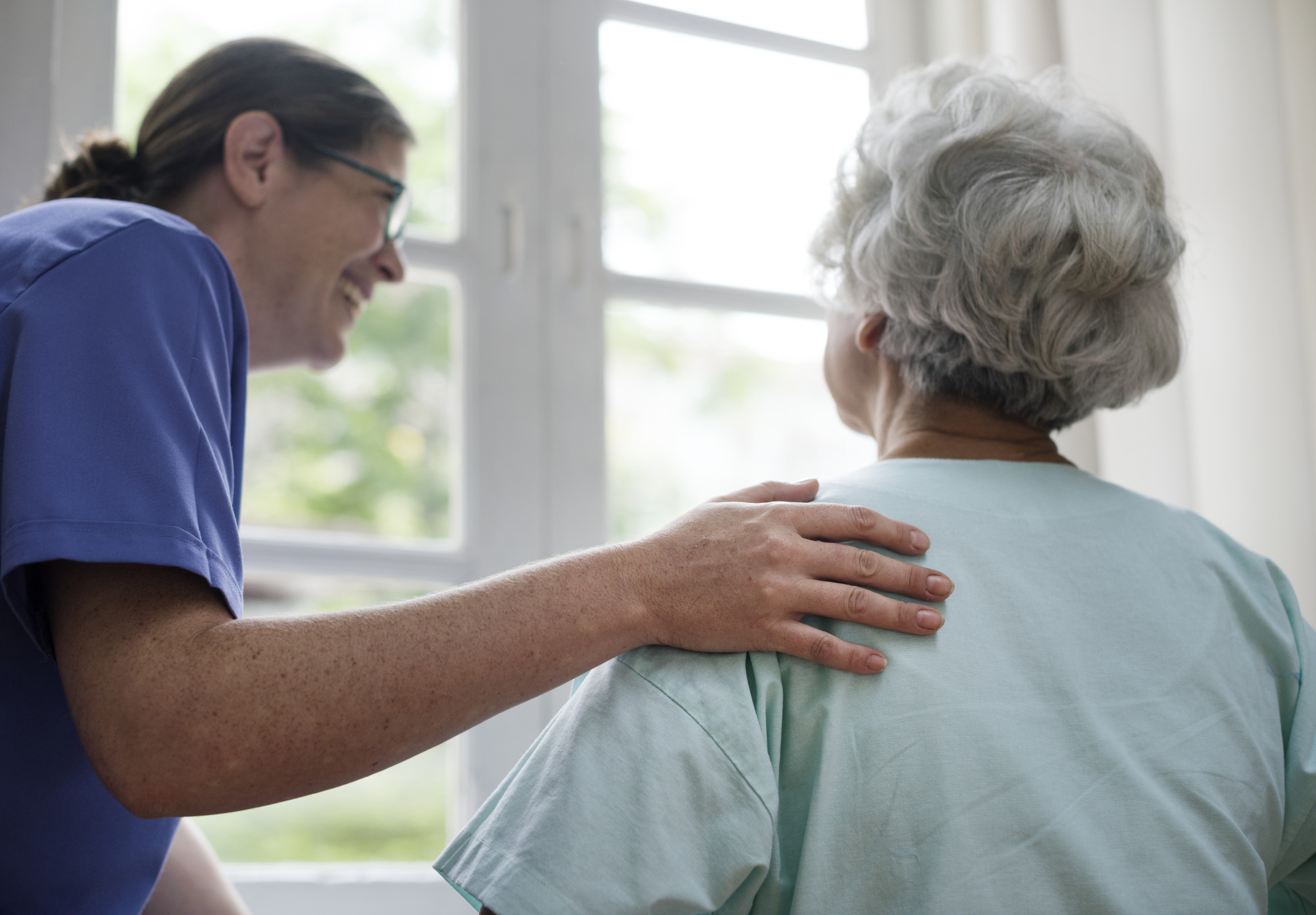
Holiday care can become overwhelming, especially when managing heat safety, mobility concerns, dementia-related behaviors, and disrupted routines all at once. Bringing in professional support can make the holiday safer and less stressful for everyone involved. An in-home caregiver can provide an extra layer of support, supervision, and peace of mind during high-risk holiday moments.
Benefits of hiring a caregiver during the Fourth of July:
- Monitoring for heat-related symptoms such as confusion, dizziness, or fatigue
- Assistance with safe mobility during outings or family gatherings
- Support with bathing, dressing, meals, and medication reminders
- Reducing fall risk in crowded or unfamiliar environments
- Providing calm reassurance for individuals with dementia or anxiety
- Giving family caregivers time to rest, step away, or enjoy the holiday
If you are planning for a busy or high-risk holiday period, now is a good time to bring in extra support.
Book an assessment with Nova Leap Home Health to learn how a caregiver can support your loved one at home and help make the Fourth of July safer and more manageable for your family.
The Bottom Line
The Fourth of July should be enjoyable, not stressful. With thoughtful planning around heat safety, fireworks exposure, fall prevention, and emergency preparedness, caregivers can significantly reduce risk for older adults and individuals living with dementia. A quieter celebration is often the safest option, with air conditioning on, familiar routines in place, and fireworks enjoyed from a safe distance or on television.
If you or a loved one needs extra support during the holiday or any time of year, Nova Leap Home Health is here to help. Our compassionate caregivers are available 24 hours a day, 7 days a week, 365 days a year, including holidays like the Fourth of July. Whether you need respite care, assistance with daily routines, overnight support, or full-time care, our team is ready to provide reliable, professional home care services whenever your family needs us.
Sources
- CDC – Heat and Older Adults (Aged 65+)
- CDC – Protect Yourself From the Dangers of Extreme Heat
- CDC – Older Adults and Extreme Heat (dementia-specific home safety)
- American Geriatrics Society – Hot Weather Safety Tips for Older Adults (PDF)
- U.S. CPSC – Fireworks Safety Tips, 2026
- National Safety Council – Fireworks Safety Tips
- Family Caregivers Online – Fireworks and Dementia: A Safety Guide
- AskSAMIE – Fireworks & Hearing Loss: What Caregivers Must Know
- Pacific Mobility Center – Mobility Solutions During Fireworks Safety Month
- Ready.gov – Extreme Heat
